Neogen
Hoof Block Wood
Hoof Block Wood
Couldn't load pickup availability
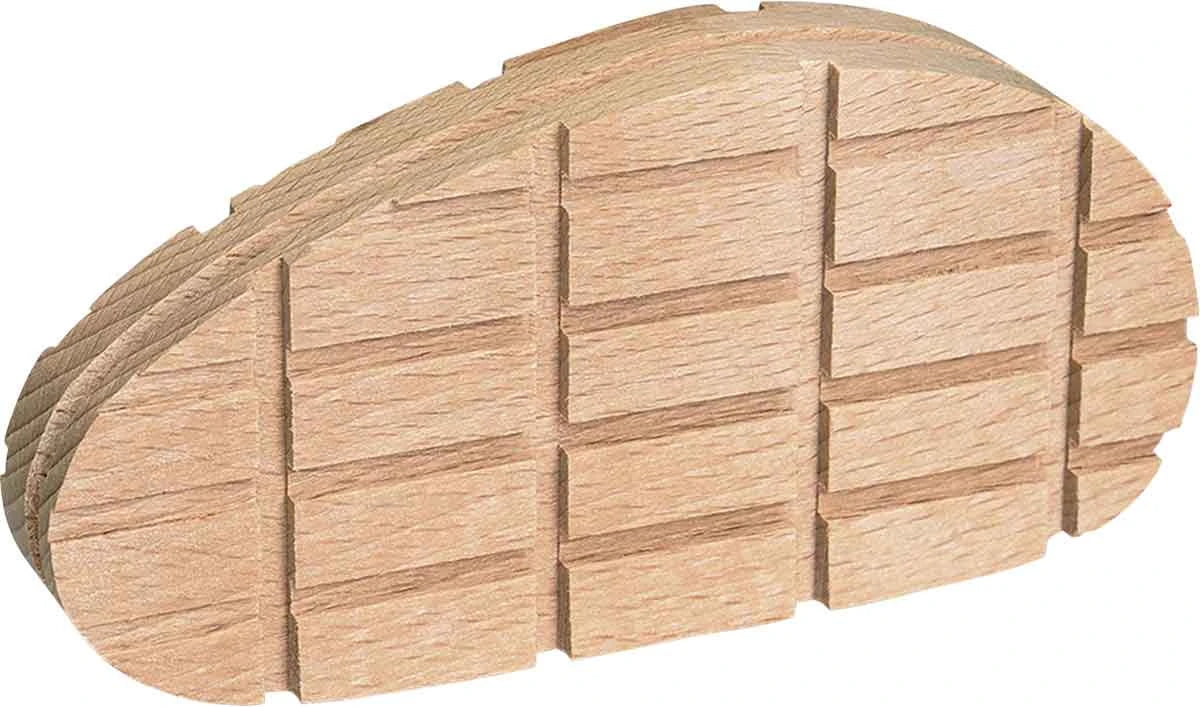
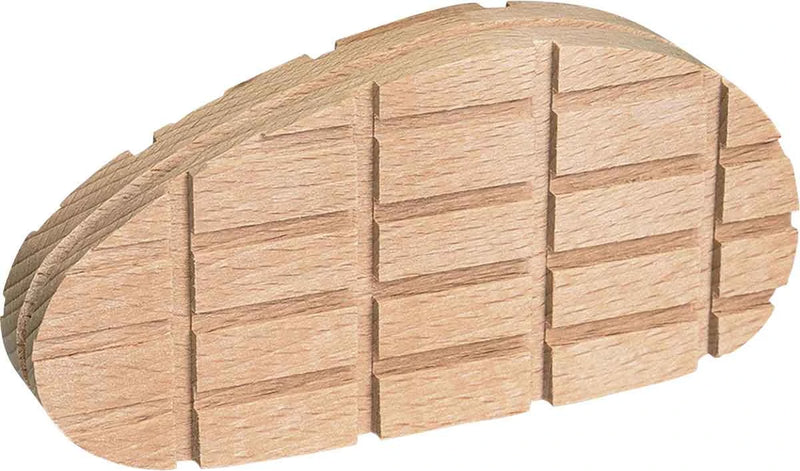
Wooden Hoof Block
For cattle.
Product Description
A hard birch wooden block used as an aid in the treatment of bovine lameness. The block is glued to the healthy claw so weight transfers off the affected claw, taking pressure off the injury and letting it heal while the cow continues to walk, eat, and milk normally.
That weight transfer is the whole principle behind block treatment. Sole ulcers, white line lesions, and claw injuries heal slowly or not at all if the cow keeps loading the damaged claw every step. Lifting it off the ground changes the outcome, and it does so without confining the animal.
Birch is used because it wears well. A block that disintegrates in a week has not done the job, since healing generally needs several weeks of relief.
How to Use
Trim and clean the claw before application. The bonding surface must be dry and free of manure and loose horn, or the adhesive will not hold.
Apply adhesive and set the block on the healthy claw of the affected foot, following the adhesive manufacturer’s directions and cure time. Keep the cow standing on a dry surface while it sets.
Check the block periodically. Blocks typically wear off or are removed after several weeks, and one left on too long can cause problems of its own by overloading the healthy claw. If a block is still firmly attached once the lesion has healed, it should be removed rather than left to wear away.
Additional Information
Sold individually. Available in two sizes. Hoof block adhesive is required and sold separately.
Talk to your veterinarian or hoof trimmer
Blocking is one part of treating a lame cow, not the whole treatment. The lesion itself needs to be identified and trimmed properly first, and a block applied over an undiagnosed or untrimmed lesion can make things worse rather than better.
Get a veterinarian involved for swelling above the hoof, a foul smell, heat, a cow that is severely lame or reluctant to bear any weight, or lameness that does not improve. Those point toward foot rot, a deep infection, or joint involvement, and several of those need systemic antibiotics or surgical attention rather than a block.
Lameness at a herd level is usually an environment and management problem. Wet alleys, long standing times on concrete, poor stall comfort, and nutrition all drive it, and a herd lameness rate above a few percent is worth a proper investigation with your veterinarian or trimmer rather than treating cows one at a time.
Share